
The tactics of factory farming ads
Just as tobacco advertisers used doctors and babies to sell cigarettes, advertisers promoting meat from factory farming use an array of familiar tactics to conceal the harms caused by their product.
Approximately 85% of farmed animals in the UK are factory farmed, including 95% of chickens. But 73% of people oppose factory farming of chickens, pigs and cows. Taken together, these statistics suggest that the scale of industrial animal farming remains unclear to consumers.
Advertising has a substantial impact on the way we perceive meat and dairy products. Surrounding us online, on TV and on our streets, advertising is a dominant cultural narrative that we rarely question, or even think we don’t see. But the scale of spending by big brands with factory farming in their supply chain means it’s almost unavoidable: McDonald’s spent £86 million on UK outdoor advertising alone in 2024. KFC spent £27.5 million.
Intensive animal farming operations are increasing in the UK - we need to look at advertising as a major driver of demand and therefore, under a capitalist economy, of intensification of production. Here we discuss three main tactics used by Big Ag advertisers to keep us consuming.
Tactic 1: Remove the Animal
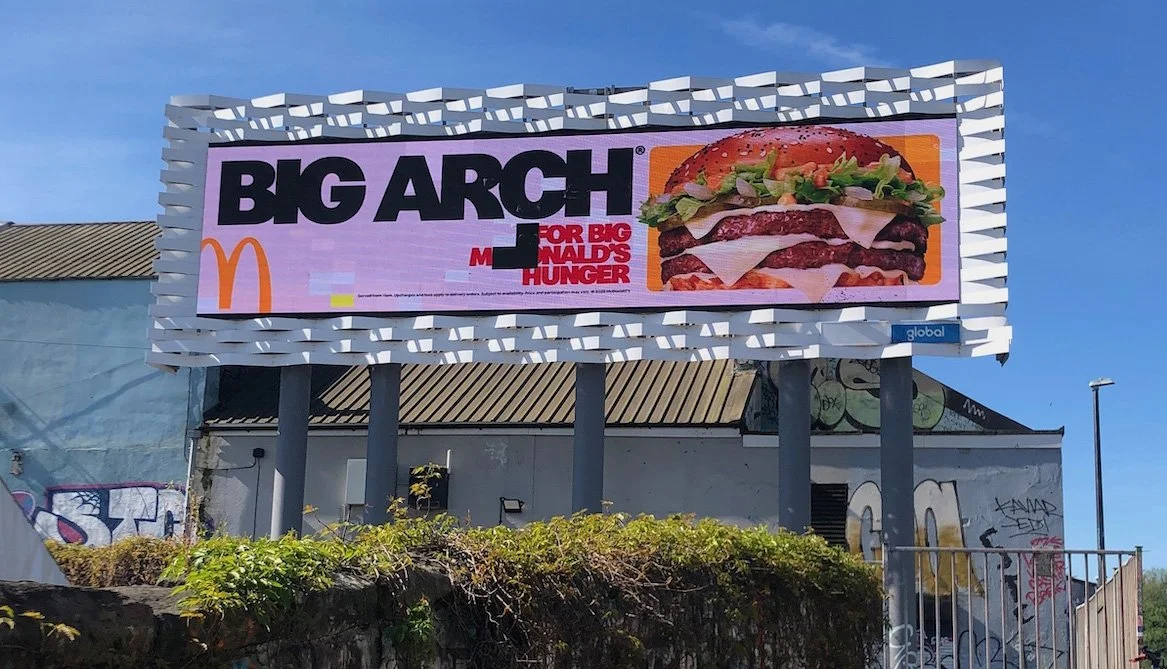
The majority of meat and dairy ads don’t display an animal, meaning that through repeated dissociation, animals are removed from our perception of food. This disconnect makes us less likely to consider the origins of what we’re eating, from river pollution to the loss of small farms to the practices enforced on sentient animals in intensive farming operations.
Tactic 2: Happy Farm, Happy Animals
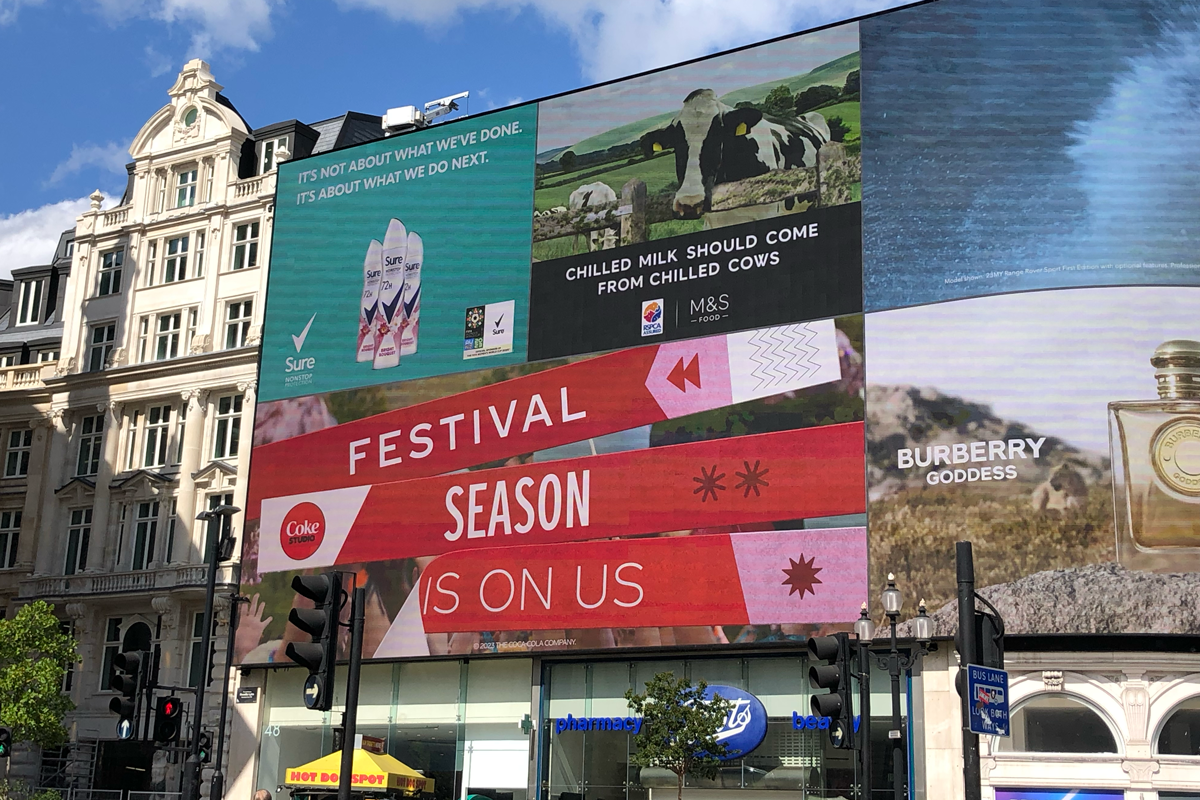
Where animals are (rarely) shown in an advert they are healthy and happy, typically in green fields rather than confined spaces. Around 85% of UK farmed animals are confined in factory farms, meaning this pastoral idyll is misleading in the vast majority of cases.
Advertising helps to support and perpetuate a vision of small-scale UK animal farming that is out of date, as intensive megafarms become more and more common, and the impacts are felt not only on animals but on communities, farmers and natural environments.
Tactic 3: Target Younger Generations
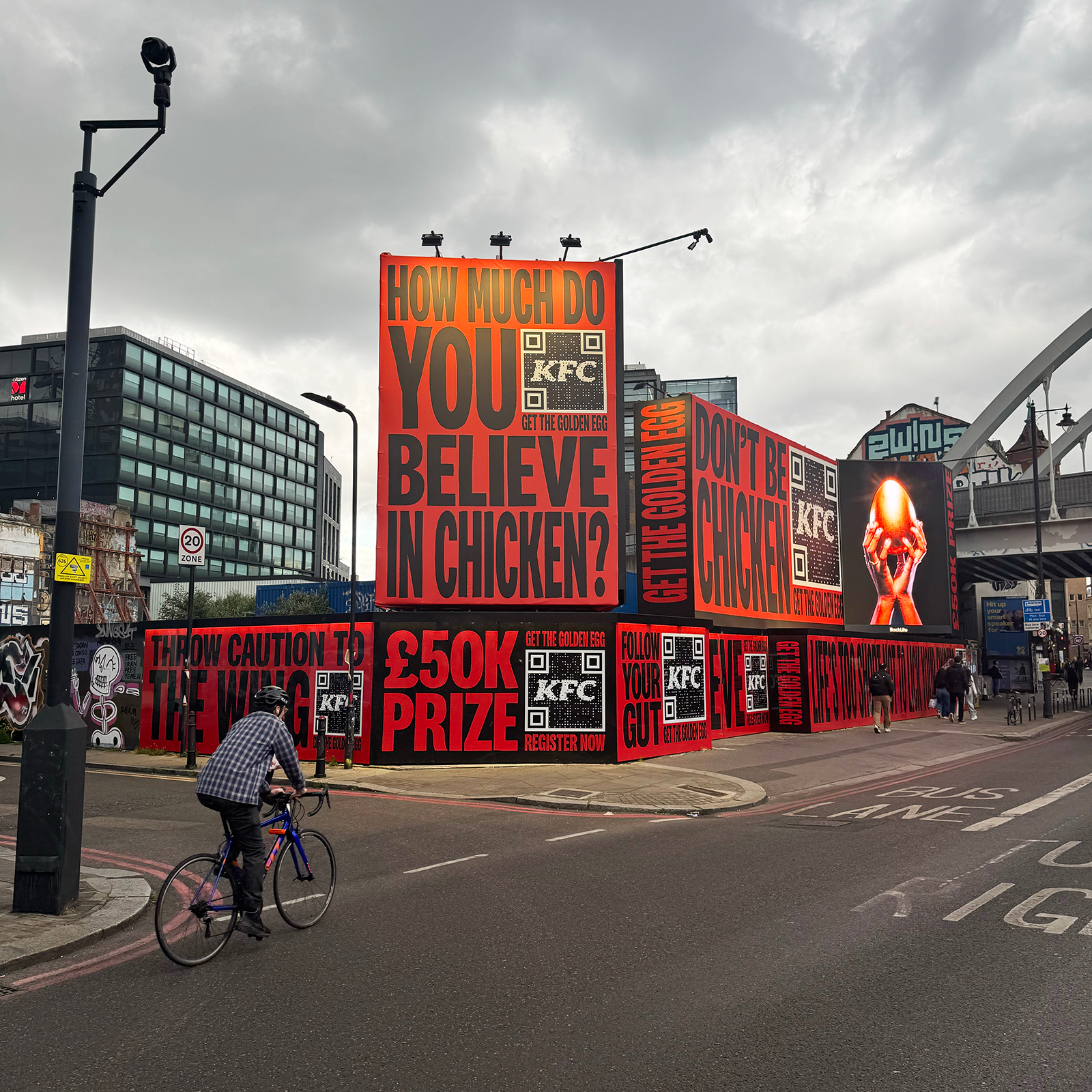
Following in the footsteps of tobacco and fossil fuel advertising, Big Ag targets younger generations, who are both more vulnerable to advertising and are the ‘consumers of the future’. This includes marketing by brands like KFC and McDonald’s, whose branding is largely youth-facing and who regularly partner with celebrities with large youth audiences (for example, McDonald’s high profile deal with Stormzy).
More insidious is the Agriculture and Horticulture Development Board (AHDB), an arms length body of the Department for Environment, Food & Rural Affairs (Defra), which has spent millions on marketing campaigns aiming specifically to improve perceptions of meat and dairy among younger people. This includes collaborations with university and college sports institutions to improve young people’s perception that milk provides vitamins and protein, and marketing that successfully targets young people and “people who were looking to reduce the amount of meat and dairy they consumed”.
Just as fossil fuel companies aim to influence schoolchildren through free educational resources promoting oil and gas, the AHDB provides educational materials and sponsored cooking classes to integrate meat into children's dietary choices.
The tactics of meat and dairy advertising are not new, but they are concerning. Big Ag benefits from policymakers’ ‘agricultural exceptionalism’, benefitting from subsidies and legal and environmental exemptions that shield it from accountability.
Advertising keeps us in the dark about the scale of factory farming in the UK, and helps to conceal and perpetuate an industry most UK people oppose. We can end factory farming ads, to clear the view for a fairer food system.